
The Importance of Children's Books on Loss
Loss is a part of life that no one can avoid, yet it can be especially hard for young children to understand and process. When a child experiences the loss of a loved one, a pet, or even a significant change like moving away from a familiar place, it can leave them feeling confused, scared, or alone. This is where children's books on loss become invaluable tools. They offer gentle guidance, comfort, and a way to open up conversations about grief in a way that children can grasp.
In this post, I want to share why these books matter so much, how they help children navigate their feelings, and practical ways to use them effectively. Let’s explore this important topic together.
Why Children's Books on Loss Matter
Children often don’t have the words or emotional maturity to express what they’re feeling when they face loss. Books designed specifically for this purpose can bridge that gap. They provide stories and characters that children can relate to, making abstract feelings more concrete and understandable.
For example, a story about a little bear who loses a friend can help a child see that it’s okay to feel sad and that those feelings are normal. These books also show children that they are not alone in their experience, which can be incredibly reassuring.
Moreover, books create a safe space for children to ask questions and share their thoughts. When a parent or caregiver reads a story aloud, it opens the door for gentle conversations about what loss means and how to cope with it.
How Stories Help Children Understand Grief
Grief is complex, even for adults. For children, it can be overwhelming and confusing. Stories simplify grief by breaking it down into manageable parts. They often use metaphors or familiar situations to explain feelings like sadness, anger, or loneliness.
For instance, a story might describe grief as a storm that eventually clears, or a garden where memories grow like flowers. These images help children visualize their emotions and understand that grief changes over time.
Books also teach coping skills. They might show characters finding comfort in talking to friends, drawing pictures, or remembering happy times. These examples give children practical ideas for managing their own feelings.
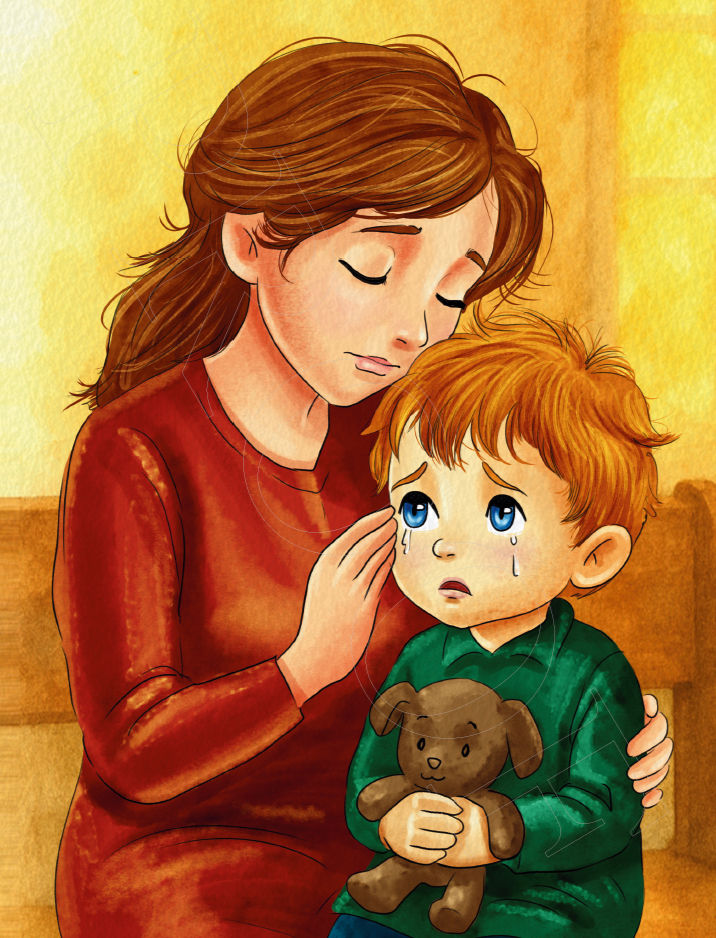
Choosing the Right Children's Books on Loss
Not all books about loss are created equal. It’s important to select stories that are age-appropriate, emotionally gentle, and culturally sensitive. Here are some tips for choosing the right books:
Look for simple language: Young children need clear, straightforward words that they can understand without feeling overwhelmed.
Check the tone: The story should be warm and reassuring, not frightening or too sad.
Consider the type of loss: Some books focus on the death of a pet, others on losing a family member, or even moving away. Pick one that matches the child’s experience.
Seek diversity: Books that reflect different cultures, family structures, and experiences help all children feel seen and understood.
Read reviews or get recommendations: Trusted sources like educators, grief counselors, or specialised publishers can guide you to the best options.
One helpful resource is Grandpa's Star that has been thoughtfully created to support families through grief. These books are designed with care to foster emotional literacy and open conversations.
How to Use Children's Books on Loss Effectively
Reading a book about loss is just the beginning. How you use the book can make a big difference in how a child processes their feelings. Here are some practical tips:
Create a calm environment: Choose a quiet, comfortable place where the child feels safe.
Read slowly and pause: Give the child time to absorb the story and ask questions.
Encourage discussion: After reading, ask gentle questions like "How do you think the character feels?" or "What would you do if you felt that way?"
Validate feelings: Let the child know it’s okay to feel sad, angry, or confused.
Use the story as a starting point: Share your own feelings or memories if appropriate, to show that grief is a shared experience.
Revisit the book: Children may want to hear the story multiple times as they work through their emotions.
Remember, the goal is not to rush through grief but to support the child’s emotional journey with patience and understanding.

Supporting Emotional Literacy Through Stories
Emotional literacy is the ability to recognise, understand, and express feelings. It’s a crucial skill for children, especially when dealing with loss. Children's books on loss help build this skill by naming emotions and showing healthy ways to express them.
For example, a story might describe a character feeling "lonely" or "scared" and then show how they talk to a trusted adult or draw pictures to feel better. This teaches children that emotions are normal and manageable.
Encouraging children to talk about their feelings after reading can also improve their emotional vocabulary. You might say, "I noticed the character felt sad when their friend moved away. Have you ever felt that way?" This invites children to connect the story to their own experiences.
By fostering emotional literacy, these books help children develop resilience. They learn that while loss is painful, they have the tools and support to cope and heal.
Creating a Supportive Environment Beyond Books
While books are powerful, they work best as part of a broader support system. Here are some ways to create an environment that helps children navigate loss:
Open communication: Encourage children to share their feelings anytime.
Consistent routines: Stability helps children feel safe during uncertain times.
Creative outlets: Drawing, music, or play can help children express emotions non-verbally.
Professional support: Grief counselors or educators trained in emotional support can provide additional guidance.
Community connections: Being around friends, family, or support groups reminds children they are not alone.
Combining these approaches with the gentle guidance of children's books on loss creates a nurturing space for healing.
Loss is never easy, but with the right tools and support, children can learn to understand and cope with their feelings. Children's books on loss offer a gentle, reassuring way to start these important conversations. They help children feel seen, heard, and loved during difficult times.
If you’re looking for a thoughtful resource, consider exploring a Grandpa's Star- a children's story book about loss that is designed to support families through grief with warmth and care. Together, we can help children build emotional strength and resilience that will serve them for a lifetime.



Comments