
Engaging Stories That Promote Learning in Kids
Updated: Apr 11
Stories have a unique power to captivate young minds, sparking imagination and curiosity. They can transport children to different worlds, introduce them to new ideas, and teach valuable lessons. In this blog post, we will explore how engaging stories can promote learning in kids, the benefits of storytelling, and practical examples of stories that can inspire young learners.
The Power of Storytelling
Storytelling is an ancient art form that has been used for centuries to convey knowledge, culture, and values. For children, stories are more than just entertainment; they are a vital tool for learning. Here are some reasons why storytelling is so effective:
Enhances Imagination: Stories encourage children to visualize characters, settings, and events, fostering creativity and imaginative thinking.
Improves Language Skills: Listening to stories helps children develop vocabulary, comprehension, and narrative skills.
Teaches Empathy: Through stories, children can experience different perspectives and emotions, helping them understand and relate to others.
Encourages Critical Thinking: Engaging narratives often present challenges and conflicts that require problem-solving, promoting analytical skills.
Types of Stories That Promote Learning
Not all stories are created equal when it comes to promoting learning. Here are some types of stories that can be particularly effective:
Folktales and Fables
Folktales and fables are rich in moral lessons and cultural values. They often feature animals as characters, making them relatable and engaging for children. For example, Aesop's fables, such as "The Tortoise and the Hare," teach important lessons about perseverance and humility.
Historical Fiction
Historical fiction can transport children to different times and places, making history come alive. Books like "Number the Stars" by Lois Lowry provide insight into significant historical events while fostering empathy and understanding.
Science Fiction and Fantasy
Science fiction and fantasy stories allow children to explore complex concepts in a fun and imaginative way. Books like "The Magic School Bus" series introduce scientific principles through exciting adventures, making learning enjoyable.
Biographies
Biographies of inspiring figures can motivate children to pursue their dreams and develop a growth mindset. Stories about individuals like Malala Yousafzai or Albert Einstein can teach resilience, determination, and the importance of education.
Practical Examples of Engaging Stories
To illustrate the power of storytelling in promoting learning, here are some specific examples of engaging stories that can inspire children:
"The Very Hungry Caterpillar" by Eric Carle
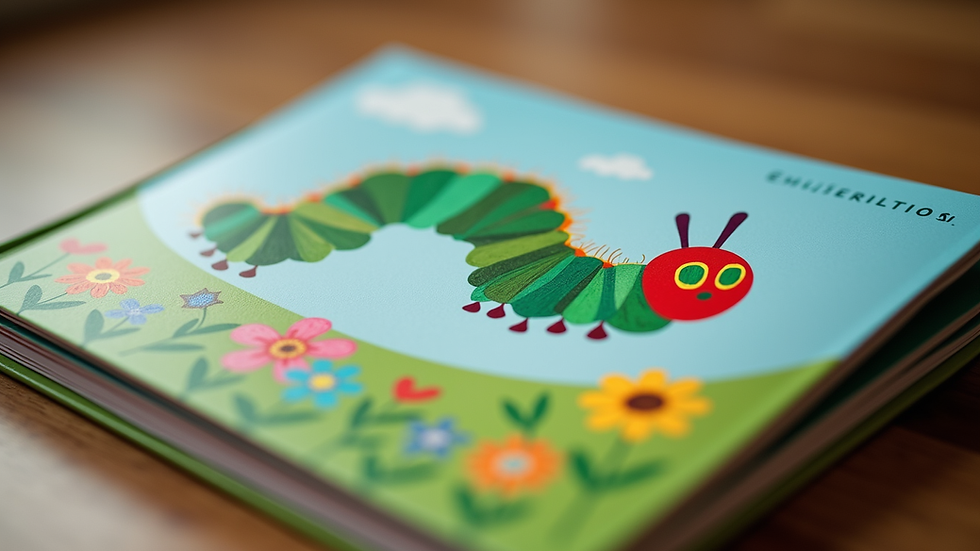
This classic picture book follows the journey of a caterpillar as it eats its way through various foods before transforming into a butterfly. It teaches children about the days of the week, counting, and the life cycle of a butterfly, all while captivating young readers with its vibrant illustrations.
"Where the Wild Things Are" by Maurice Sendak
This beloved story follows Max, a young boy who sails to an island inhabited by wild creatures. The narrative explores themes of imagination, emotions, and the importance of home. It encourages children to express their feelings and understand the concept of belonging.
"Ada Twist, Scientist" by Andrea Beaty
This book tells the story of Ada, a curious girl who loves to ask questions and explore the world around her. It promotes a love for science and inquiry, encouraging children to embrace their curiosity and pursue their interests.
"The Paper Bag Princess" by Robert Munsch
This empowering tale features a princess who outsmarts a dragon to save her prince. It challenges traditional gender roles and teaches children about bravery, intelligence, and self-worth.
Tips for Using Stories to Promote Learning
To maximize the learning potential of stories, consider the following tips:
Choose Age-Appropriate Stories
Select stories that match the developmental level and interests of the child. Younger children may enjoy picture books with simple narratives, while older children may appreciate chapter books with more complex plots.
Encourage Discussion
After reading a story, engage children in discussions about the characters, plot, and themes. Ask open-ended questions to encourage critical thinking and reflection. For example, "What would you have done if you were in the character's shoes?"
Incorporate Activities
Enhance the learning experience by incorporating related activities. For instance, after reading "The Very Hungry Caterpillar," you could have children create their own caterpillar crafts or explore the concept of metamorphosis through hands-on science experiments.
Use Storytelling Techniques
When telling stories, use expressive voices, gestures, and facial expressions to bring the narrative to life. This not only captures children's attention but also helps them connect emotionally with the story.
Create a Storytelling Environment
Set up a cozy reading nook with comfortable seating, soft lighting, and a variety of books. A welcoming environment can encourage children to explore stories independently and develop a love for reading.
The Role of Parents and Educators
Parents and educators play a crucial role in fostering a love for stories and learning. Here are some ways they can support children's engagement with storytelling:
Read Aloud Regularly
Reading aloud to children is one of the most effective ways to promote literacy and a love for stories. Make it a daily routine to read together, allowing children to choose books that interest them.
Model Enthusiasm for Stories
Show excitement about stories and reading. Share your favorite books and discuss the lessons learned from them. Your enthusiasm can inspire children to develop their own passion for storytelling.
Provide Access to Diverse Stories
Expose children to a wide range of stories from different cultures, genres, and perspectives. This not only broadens their understanding of the world but also fosters empathy and appreciation for diversity.
Encourage Creative Storytelling
Encourage children to create their own stories through writing, drawing, or acting. This not only enhances their creativity but also reinforces their understanding of narrative structure and character development.
Conclusion
Engaging stories have the power to promote learning in kids by sparking imagination, enhancing language skills, and teaching valuable life lessons. By incorporating diverse narratives and storytelling techniques, parents and educators can create a rich learning environment that fosters curiosity and a love for learning. As you explore the world of stories with children, remember that each tale is an opportunity to inspire, educate, and connect. So, pick up a book, share a story, and watch as young minds flourish.



Comments